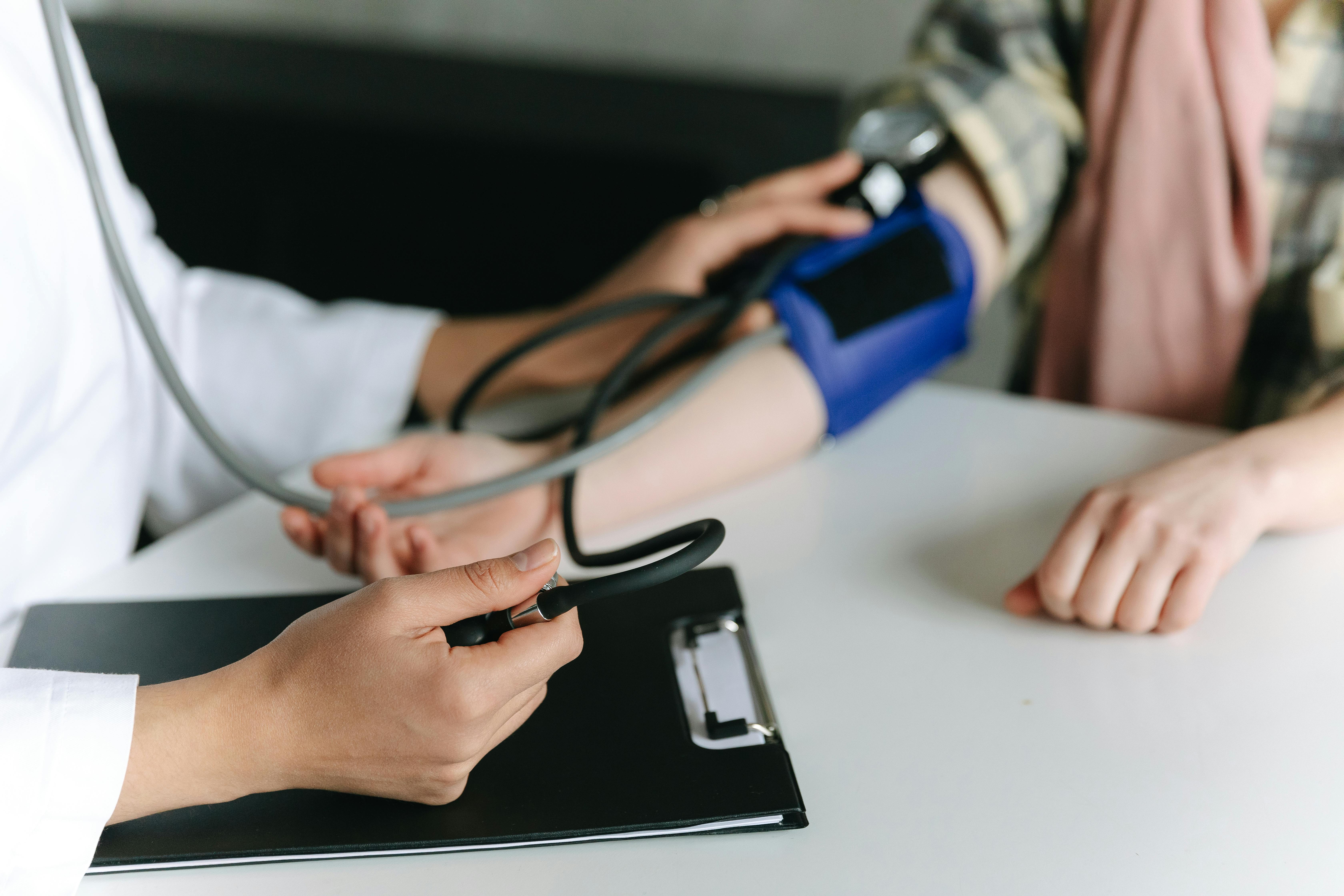
Cardiovascular Disease Recovery With Stem Cell Therapy
Dr Gabriel Garza
Medical Director, Elicells
Cardiovascular disease remains the leading cause of death worldwide, affecting millions of people every year. From heart attacks and heart failure to peripheral artery disease, these conditions can drastically limit quality of life and threaten survival. While traditional treatments have improved outcomes, stem cell therapy is emerging as a breakthrough approach that not only treats symptoms but regenerates damaged heart tissue and restores cardiovascular function.
Understanding Cardiovascular Disease
Cardiovascular disease covers a wide range of conditions affecting the heart and blood vessels. Damage can result from heart attacks, reduced blood flow, chronic inflammation or plaque buildup in the arteries. Damaged heart tissue traditionally does not regenerate on its own, leading to diminished cardiac function and long-term complications. This is where stem cell therapy offers unprecedented hope.
Key Benefits of Stem Cell Therapy for Cardiovascular Health
- Regenerates heart tissue damaged after a heart attack
- Improves ejection fraction and overall cardiac function
- Promotes the formation of new blood vessels (angiogenesis)
- Reduces scar tissue in the heart muscle
- Improves blood flow to vital organs and extremities
- Lowers inflammation in the cardiovascular system
- Reduces the risk of future cardiac events
Cardiovascular Conditions Treated With Stem Cells
1. Post-Infarction (Heart Attack) Recovery
After a heart attack, heart tissue dies from lack of oxygen, leaving scar tissue that cannot contract. This weakens the heart and can lead to heart failure.
How Stem Cells Help:
- Regenerate cardiomyocytes (heart muscle cells) in damaged areas
- Reduce the size of the infarct area
- Improve heart muscle contractility
- Prevent adverse ventricular remodeling
- Stimulate the formation of new blood vessels in heart tissue
Clinical studies show that patients receiving stem cell therapy after a heart attack demonstrate significant improvements in left ventricular ejection fraction (LVEF), better exercise capacity and reduced rates of hospitalization for heart failure.
2. Congestive Heart Failure
Heart failure occurs when the heart cannot pump enough blood to meet the body's needs. Symptoms include fatigue, shortness of breath and fluid retention.
How Stem Cells Help:
- Improve the heart's pumping function
- Increase exercise capacity and quality of life
- Reduce heart failure symptoms
- Decrease the need for hospitalization
- Improve tolerance for physical activity
Heart failure patients treated with stem cells often experience dramatic improvements in their ability to perform daily activities, reduced shortness of breath and better overall cardiac function as measured by echocardiography.
3. Cardiomyopathy
Cardiomyopathy is a disease of the heart muscle that makes it harder to pump blood. It can be caused by viral infection, alcohol use, genetics or other conditions.
How Stem Cells Help:
- Repair and strengthen weakened heart muscle
- Improve the structure and function of the heart
- Slow the progression of the disease
- Improve symptoms and quality of life
- May delay or prevent the need for a heart transplant
4. Coronary Artery Disease
Coronary artery disease occurs when the arteries supplying blood to the heart narrow or become blocked by plaque buildup.
How Stem Cells Help:
- Promote the formation of new blood vessels (revascularization)
- Improve blood flow to the heart muscle
- Reduce angina (chest pain)
- Improve exercise tolerance
- May reduce the need for invasive procedures such as bypass surgery or stents
5. Peripheral Artery Disease (PAD)
PAD affects arteries outside the heart, typically in the legs, causing pain, cramping and difficulty walking due to reduced blood flow.
How Stem Cells Help:
- Stimulate the growth of new blood vessels in the extremities
- Improve circulation and reduce pain when walking
- Speed the healing of leg ulcers
- Prevent progression to critical limb ischemia
- Reduce the risk of amputation
The Science Behind Cardiovascular Regeneration
Stem cells offer several mechanisms to repair and regenerate the cardiovascular system:
Cell Differentiation
Stem cells can transform into various cardiac cell types, including cardiomyocytes, endothelial cells and vascular smooth muscle cells.
Paracrine Signaling
Stem cells release growth factors and cytokines that stimulate heart cell repair, promote new blood vessels and reduce inflammation.
Angiogenesis
Stem cells actively promote the formation of new blood vessels, improving the supply of oxygen and nutrients to heart tissue.
Fibrosis Reduction
Stem cells help reduce scar tissue formation in the heart, allowing more functional heart muscle to be preserved or regenerated.
What to Expect From Treatment
Comprehensive Cardiovascular Assessment
Before treatment, a thorough evaluation is performed, including:
- Complete Medical History: A review of previous cardiac events, current medications and risk factors
- Diagnostic Testing: Echocardiogram, electrocardiogram (ECG), stress testing and angiography if needed
- Risk Assessment: Identification of modifiable risk factors
- Personalized Treatment Plan: Designed specifically for your cardiovascular condition
Recovery Timeline
- 1
Weeks 1-2
A minimally invasive procedure with rapid recovery. Most patients return home the same day or the next.
- 2
Month 1
Early improvements in energy levels and reduced symptoms such as shortness of breath. Follow-up echocardiogram.
- 3
Months 2-3
Noticeable improvements in exercise capacity, reduced angina and better tolerance for daily activities.
- 4
Months 3-6
Significant improvements in ejection fraction, continued heart tissue regeneration and a reduced need for medication.
- 5
Months 6-12
Long-term benefits fully realized, cardiovascular function optimized and the risk of future cardiac events reduced.
The Future of Cardiovascular Medicine
Stem cell therapy represents a fundamental shift in how we approach cardiovascular disease. Rather than simply managing heart disease, we can now regenerate the damaged heart at the cellular level, restore cardiovascular function once thought permanently lost, prevent the progression of heart disease and offer hope to patients with limited options.
Cardiovascular disease doesn't have to mean a life of limitation and fear. Stem cell therapy offers a breakthrough approach that goes beyond symptom management to actively regenerate damaged heart tissue and restore cardiovascular function. Whether you are recovering from a heart attack, living with heart failure or looking to improve your overall heart health, stem cell therapy may offer new hope and real improvements in your quality of life.
Ready to Strengthen Your Heart?
Book a cardiovascular consultation with our specialist medical team to learn how stem cell therapy can help you recover from heart disease and improve your cardiovascular health.
See Treatment Options